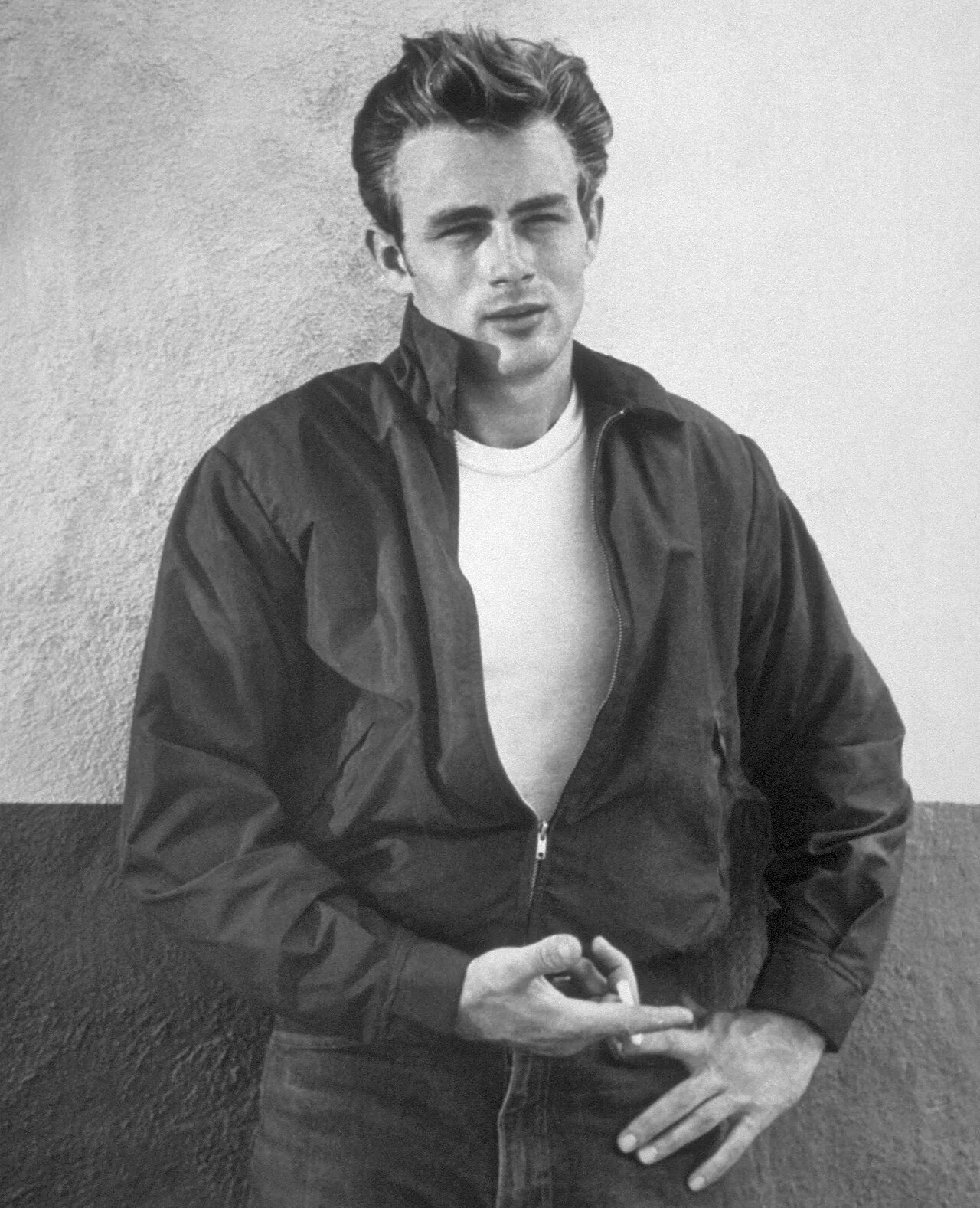
The Real Cal Trask: James Dean's Hunger for Affection in East of Eden
In the annals of cinematic history, few performances burn as brightly and briefly as James Dean's portrayal of Cal Trask in Elia Kazan's 1955 masterpiece, East of Eden. More than just a character, Cal became an archetype, an unforgettable lonely boy whose deep-seated hunger for affection resonated with an entire generation. Dean, in his debut leading role, didn't just play James Dean as Cal Trask: The Rebel Who Defined a Generation; he embodied him, pouring his own turbulent soul into a performance that remains as potent today as it was nearly seven decades ago.
The film, based on John Steinbeck's expansive novel, explores themes of good and evil, family rivalry, and the universal human need for love and acceptance. At its heart is Cal Trask, a young man grappling with a perceived lack of love from his stern, righteous father, Adam. Dean’s raw, naturalistic acting captured this internal struggle with such visceral intensity that it transcended the screen, etching Cal into the collective consciousness as the quintessential misunderstood youth.
Cal Trask: The Embodiment of a "Hunger Within"
Elia Kazan, the esteemed director of East of Eden, famously described James Dean as possessing "violence in him, he had a hunger within him, and he was himself the boy he played in the film." This profound observation gets to the very core of Dean's unforgettable James Dean East of Eden character. Long before filming began, Dean’s personal life mirrored the turmoil he would soon bring to Cal Trask. On the eve of production in April 1954, Dean wrote to a friend, "Wow. Am I fucked up. I got no motorcycle, I got no girl." He even signed it, "Jim (Brando Clift) Dean," revealing his influences and perhaps a struggle with his own identity. The timing was poignant; during the shoot, his relationship with actress Pier Angeli ended, a heartbreak speculated to have stirred his deepest insecurities.
These personal struggles were not mere coincidences; they were the raw material Dean channeled into Cal. Cal Trask is a character desperate for his father’s love, constantly seeking approval yet often sabotaging himself through impulsive acts. Dean’s own perceived lack of affection, his yearning for connection, became Cal’s yearning. When John Steinbeck himself met Dean, the author declared, "Jesus Christ, he is Cal." This wasn't just a compliment; it was an acknowledgment of Dean's authentic connection to the role, a connection deepened by the fascinating fact that Dean's actual grandfather was named Cal Dean.
This merging of actor and character, fueled by genuine emotional upheaval, gave Cal Trask an almost unbearable vulnerability and intensity. Every twitch, every glance, every explosion of anger or plea for acceptance felt utterly real because it was, in a profound sense, Dean laying bare his own soul.
Method Acting and the Making of a Legend
Kazan, known as "The High Priest" of The Actors Studio, was a fervent proponent of naturalistic acting rooted in Lee Strasberg's adaptation of the Stanislavsky "method." He meticulously cast his film with actors from this school, seeking performances that prioritized emotional truth over theatricality. For the role of Cal Trask, Kazan found his perfect match in James Dean, an actor who deeply immersed himself in his characters, often drawing from personal experience and raw emotion.
The casting process itself was rigorous, with Dean famously testing alongside Paul Newman for the rival brothers. Ultimately, the role of Aron went to Dick Davalos, who at the time shared an apartment with Dean, adding another layer of authenticity to their on-screen brotherly dynamic. Anthony Perkins also tested for the part, highlighting how coveted the role of Cal Trask was. Dean's approach, heavily influenced by his hero Marlon Brando (whom he was even seeing the same psychiatrist as), was both revolutionary and, for some, infuriating.
Veteran actor Raymond Massey, who played Adam Trask, openly despised Dean. He complained that Dean "never knew his lines before he walked on the set, rarely had command of them when the camera rolled, and even if he had was often inaudible. Simple technicalities, such as moving on cue and finding his marks, were beneath his consideration." While frustrating for co-stars, this apparent lack of discipline was, for Dean, part of his method. He prioritized instinct and emotional spontaneity over rigid adherence to script or blocking, allowing him to authentically capture Cal's unpredictable and volatile nature. This unconventional approach to his craft, detailed further in discussions around James Dean's Cal Trask: Method Acting & East of Eden's Legacy, cemented his legacy as a pioneer of screen acting.
The Universal Craving: Cal's Search for Love
Despite its intellectual and introspective mood, the core message of East of Eden, as articulated by Kazan, is beautifully simple: "everyone craves affection." This profound truth lies at the heart of Cal Trask’s entire being and drives every decision he makes. Cal’s life is an endless, often desperate, quest for his father’s approval and love, a love he believes is unfairly withheld in favor of his "good" brother, Aron.
Dean’s performance brilliantly illuminates this universal craving. We see Cal’s heartbreaking attempts to please Adam, from trying to run a profitable business to a misguided, yet well-intentioned, attempt to help his father recoup lost money. Each gesture, however clumsy or ill-fated, is a cry for acceptance. His jealousy of Aron stems not from malice, but from a profound feeling of inadequacy and unworthiness. When Adam rejects Cal's hard-earned money, it's not just a rejection of the gift, but a crushing blow to Cal's self-worth, a confirmation of his deepest fears that he is unlovable.
This desperate need for connection makes Cal Trask an immensely relatable figure. Who hasn't, at some point, felt misunderstood or yearned for validation from a parent or loved one? Dean's portrayal captures the agony of this fundamental human experience, making Cal a character whose struggles resonate across generations. He embodies the raw vulnerability of a soul yearning to be seen, understood, and cherished.
A Generation Finds Its Voice: Cal Trask as an Icon of Rebellion
With East of Eden, James Dean didn't just portray a character; he inadvertently became the voice of a burgeoning generation. He tapped into a "whopping generation gap," as observers noted, articulating anxieties and rebellions that no one had fully recognized until then. Cal Trask became a powerful symbol for young people who felt alienated from their parents, chafing under societal expectations, and struggling to find their own identity in a rapidly changing world.
Dean's youthful rebellion, both on and off screen, resonated deeply. He was seen as the embodiment of an era where young people no longer had anything in common with their parents' values or dreams. The instant Dean appeared on screen at the film's first preview in Los Angeles, hundreds of girls began to scream, a testament to his immediate star power and the profound connection he forged with his audience. This visceral reaction wasn't just about his looks; it was about the raw, untamed spirit he projected, a spirit that validated the unspoken feelings of an entire demographic.
Along with figures like Marlon Brando and Elvis Presley, Dean became a cultural touchstone. He was worshipped for his authenticity, his refusal to conform, and his ability to articulate the angst and idealism of youth. Through Cal Trask, a new generation discovered itself, finding its anxieties and aspirations reflected in the combined potency of Dean’s personality and Steinbeck’s timeless situations.
James Dean's portrayal of Cal Trask remains one of cinema's most legendary performances, a testament to an actor's ability to transcend the script and infuse a character with profound personal truth. Cal's desperate hunger for affection, fueled by Dean's own emotional landscape, captured the essence of youthful alienation and the universal human need for love. Though his career was tragically cut short, Dean's indelible mark as Cal Trask in East of Eden cemented his status as a timeless icon, a symbol of rebellion and vulnerability whose searing performance continues to captivate and inspire audiences worldwide.