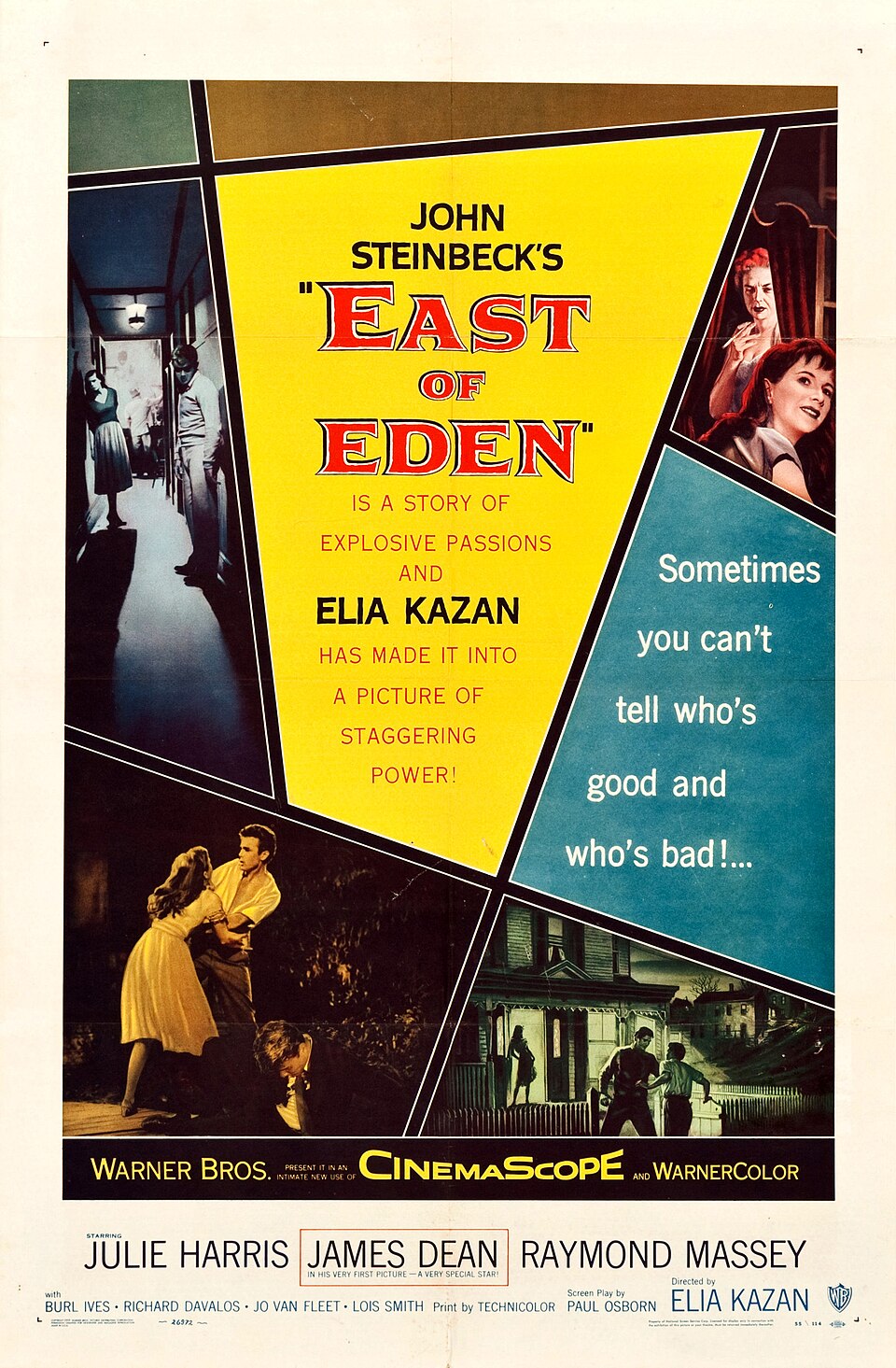
James Dean's Cal Trask: The Embodiment of Method Acting and a Generational Legacy in East of Eden
Few cinematic performances have captured the raw angst and yearning of youth quite like James Dean's portrayal of James Dean's East of Eden character, Cal Trask. In Elia Kazan's 1955 adaptation of John Steinbeck's sprawling novel, Dean didn't just play a character; he seemed to inhabit him, blurring the lines between actor and role with a intensity that would define a generation. This groundbreaking performance, steeped in the then-revolutionary techniques of Method Acting, cemented Dean's status as an enduring icon, tragically cut short but forever immortalized through Cal.
Before East of Eden, the world had never witnessed a screen presence quite like Dean's. His Cal Trask was a complex tapestry of insecurity, rebellion, and a desperate hunger for love, echoing the struggles of many young people coming of age in a rapidly changing post-war America. This article delves into how Dean's unique approach, combined with Kazan's visionary direction, created a legacy that resonates to this day.
The Birth of a Rebel: Cal Trask and the Method Acting Revolution
The casting of James Dean as Cal Trask was a stroke of genius, though not without its challenges. On the eve of production in April 1954, Dean himself was in a state of personal turmoil, writing to a friend, "Wow. Am I fucked up. I got no motorcycle, I got no girl." This raw vulnerability, an echo of the character he was about to play, was precisely what director Elia Kazan, a high priest of The Actors Studio and Stanislavsky's "method" of acting, sought. Kazan believed in naturalistic acting, picking much of his cast from the very studio that espoused these techniques.
Dean's immersion was so complete that upon meeting him, author John Steinbeck famously declared, "Jesus Christ, he is Cal." This powerful endorsement wasn't merely coincidence; Dean's own grandfather was named "Cal Dean," adding an almost fated dimension to the role. The Method Acting approach, which encouraged actors to draw upon their own experiences and emotions to inform their characters, found its perfect conduit in Dean. His turbulent personal life, including a failed relationship with Pier Angeli during filming, reportedly fueled the sexual insecurity and longing that simmered beneath Cal's rebellious exterior. This profound connection between actor and role allowed Dean to imbue Cal with an authenticity that transcended mere performance, making him James Dean as Cal Trask: The Rebel Who Defined a Generation.
Dean's Personal Turmoil Forged into Cal Trask's Soul
Elia Kazan understood the profound connection between Dean's essence and the character of Cal Trask. He observed, "He had violence in him, he had a hunger within him, and he was himself the boy he played in the film." This inherent intensity, amplified by Dean's method acting, allowed him to channel his personal struggles directly into Cal's search for affection and acceptance. The film's core message, as simple as it is profound – everyone craves affection – was perfectly embodied by Dean's performance.
Cal Trask, an outcast son vying for his stern father's love against his favored brother Aron, is a character consumed by this craving. Dean's fidgeting, his whispered lines, his explosive emotional outbursts were all facets of a young man desperate for connection yet unsure how to achieve it. While veteran actor Raymond Massey, who played Cal's father, Adam, famously despised Dean's unprofessionalism – citing his poor line retention and disregard for technicalities like hitting marks – it was precisely this raw, untamed energy that resonated so deeply with audiences. Dean's perceived flaws in technical acting became his greatest strengths, giving Cal an unpolished, visceral reality that was undeniably captivating. The emotional truth Dean conveyed, often at the expense of conventional acting techniques, allowed him to tap directly into The Real Cal Trask: James Dean's Hunger for Affection in East of Eden.
The parallels between Dean and his idol, Marlon Brando, were also striking. Both embraced the Method, and even shared a psychiatrist at one point, highlighting Dean's intense identification with Brando's pioneering style. Dean wasn't just imitating Brando; he was internalizing a new paradigm of acting that prioritized emotional honesty over theatrical artifice.
The Lasting Echo: Cal Trask as a Generational Icon
East of Eden premiered at a pivotal moment. The mid-1950s saw a burgeoning "generation gap," a seismic shift in culture where traditional values were questioned by a burgeoning youth culture. James Dean's East of Eden character, Cal Trask, became the accidental emblem of this awakening. He was the misunderstood, alienated youth, full of longing and rebellion, who no longer found common ground with his parents' generation.
Dean's cult figure status exploded because he articulated, through Cal, a collective unconscious feeling that no one else had yet fully tapped into. Alongside figures like Marlon Brando, Elvis Presley, and Hugh Hefner, Dean triggered a profound self-recognition among young people. When Cal Trask appeared on screen, the instant reaction – as evidenced by the hundreds of girls who screamed at early previews ��� was not just admiration, but identification. Dean, through Cal, became a mirror reflecting their own burgeoning identities, their frustrations, and their desire to be seen and understood. His youthful rebellion wasn't just a character trait; it was a potent symbol that gave a new generation permission to discover itself.
Legacy Beyond the Screen: East of Eden's Enduring Influence
Though his career was tragically short, comprising only three major films, James Dean's impact as Cal Trask in East of Eden remains monumental. The film itself, despite some story cuts from Steinbeck's expansive novel, thrums with an intellectual and introspective mood that continues to engage audiences. It proved that complex, character-driven narratives, especially those exploring the universal theme of a craving for affection, could captivate and challenge cinema-goers.
Dean's performance, born from his personal experiences and the rigorous demands of Method Acting, set a new standard for emotional authenticity on screen. It paved the way for future generations of actors to delve deeper into their roles, to find the humanity and vulnerability that makes characters relatable and enduring. The legacy of Cal Trask is not just the story of a troubled young man, but the story of an actor who poured his entire being into a role, creating a timeless portrayal that continues to speak to the struggles of youth, the complexities of family dynamics, and the universal human need for love and acceptance.
In conclusion, James Dean's East of Eden character, Cal Trask, stands as a towering achievement in cinematic history. His raw, method-infused performance not only brought Steinbeck's complex protagonist to life but also inadvertently captured the zeitgeist of a generation. Dean's personal struggles, channeled through Kazan's direction and the principles of Method Acting, transformed a fictional character into a cultural touchstone, forever intertwining the actor's legend with the enduring legacy of Cal Trask, the lonely boy who yearned for affection.