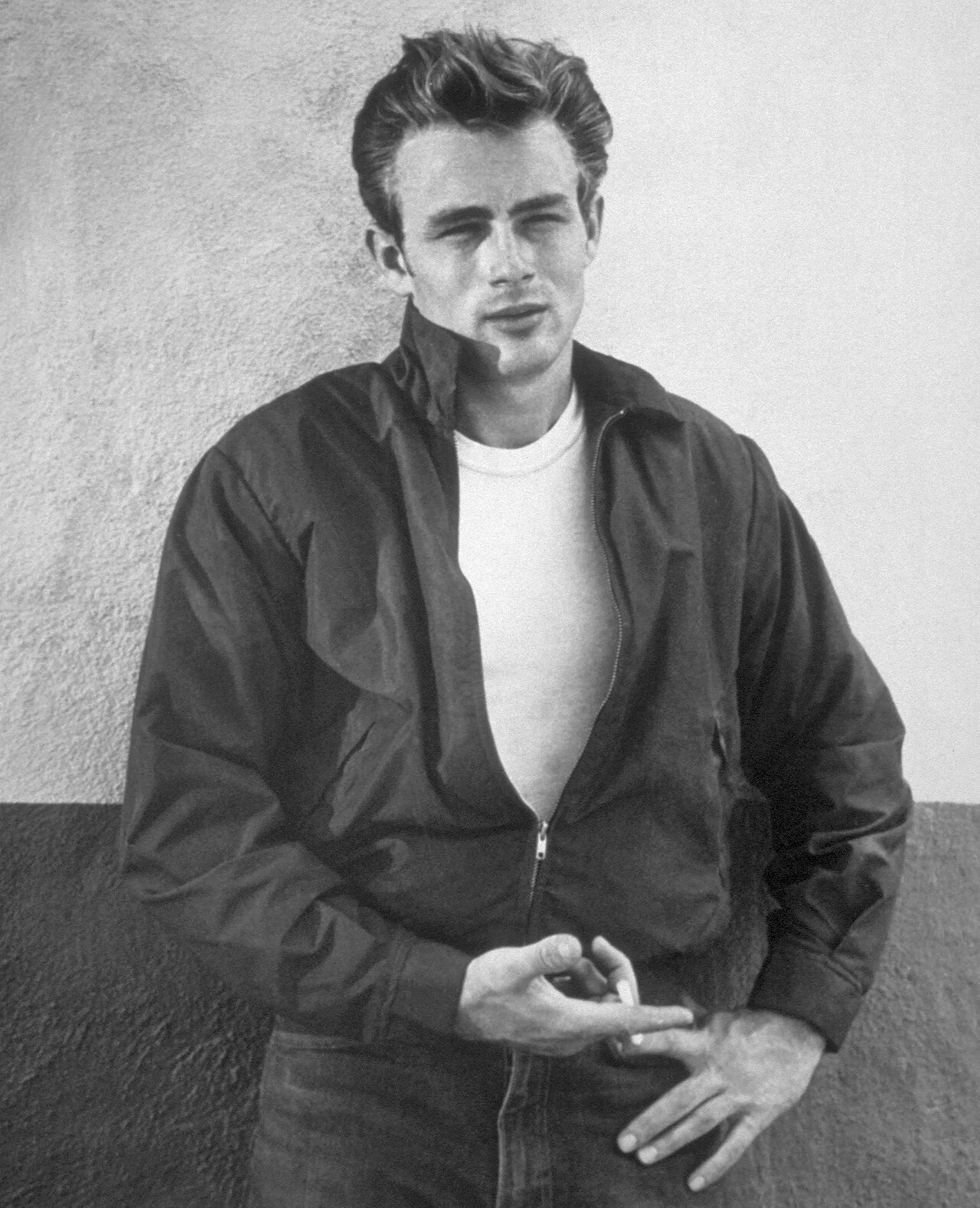
James Dean as Cal Trask: The Rebel Who Defined a Generation
In the annals of cinematic history, few performances burn as brightly and briefly as James Dean's portrayal of Cal Trask in Elia Kazan's 1955 masterpiece, East of Eden. This wasn't just an acting role; it was an incandescent fusion of actor and character, an alchemy that captured the simmering angst and yearning of an entire post-war generation. Dean's rendition of the complex, troubled James Dean East Of Eden Character became a touchstone for youthful rebellion and misunderstood longing, etching itself into the cultural consciousness.
Based on John Steinbeck’s epic 1952 novel, East of Eden tells a biblical tale of sibling rivalry, paternal rejection, and the eternal human quest for love and acceptance. At its heart lies Cal Trask, a young man consumed by a desperate need for his father's approval, constantly overshadowed by his favored, "good" brother, Aron. Dean's performance didn't merely interpret Cal; he embodied him with a raw vulnerability and explosive intensity that seemed to defy traditional acting. It was a portrayal so authentic, so deeply felt, that it continues to resonate with audiences decades later, making Cal Trask an enduring symbol of the alienated outsider.
The Genesis of a Rebel: Dean's Casting and Intimate Connection to Cal
The journey to finding the perfect Cal Trask was meticulous, with numerous talented actors vying for the pivotal role. Among those who tested alongside James Dean was a young Paul Newman, who would later achieve his own legendary status. Anthony Perkins, years before his iconic turn in Psycho, also auditioned. Yet, it was Dean, with his unmistakable blend of fragility and simmering defiance, who ultimately captured director Elia Kazan’s vision.
Kazan, a proponent of "Method acting" and a key figure at The Actors Studio, sought naturalistic, emotionally truthful performances. He famously pulled much of his cast from this renowned institution, which espoused the Stanislavsky system. Dean, a student of this method, brought an unprecedented level of internal intensity to the screen. The connection between Dean and the James Dean East Of Eden Character was almost uncanny. When introduced to Dean, author John Steinbeck himself reportedly exclaimed, "Jesus Christ, he is Cal." This wasn't just a compliment; it was an acknowledgment of an inherent resonance, a profound alignment between actor and role that went beyond mere craft.
Further deepening this connection were eerie biographical parallels. Dean’s actual grandfather was named Cal Dean, an intriguing coincidence that seemed to weave destiny into the narrative. On the eve of production, a candid letter from Dean to a friend revealed his inner turmoil: “Wow. Am I fucked up. I got no motorcycle, I got no girl.” He signed it, notably, “Jim (Brando Clift) Dean,” referencing two of his acting idols. This personal anguish, coupled with a real-life heartbreak during filming when his girlfriend Pier Angeli ended their relationship, undoubtedly fueled his portrayal of Cal’s profound sexual insecurity and desperate craving for affection. Dean wasn't just playing a character; he was channeling his own raw emotional landscape, making the Cal Trask performance a truly visceral experience.
Method Acting and the Embodiment of Anguish
Elia Kazan, often dubbed "The High Priest" of The Actors Studio, understood the raw potential within James Dean. He recognized that Dean possessed an inherent "violence" and a deep "hunger" that mirrored the very essence of Cal Trask. This was not a performance built on external technique but on internal truth, a hallmark of the Method acting approach that encouraged actors to draw upon their own experiences and emotions to inform their characters.
Dean's commitment to this naturalistic style, however, was not without its detractors. Veteran actor Raymond Massey, who played Cal's austere father, Adam Trask, reportedly despised Dean’s unconventional approach. Massey, accustomed to a more classical style, found Dean's working habits frustrating, complaining that "Jimmy never knew his lines before he walked on the set, rarely had command of them when the camera rolled, and even if he had was often inaudible. Simple technicalities, such as moving on cue and finding his marks, were beneath his consideration."
Yet, it was precisely this apparent disregard for conventional technicalities that gave Dean's Cal Trask its revolutionary power. Kazan, a master at coaxing genuine emotion, understood that Dean's spontaneity, his lived-in discomfort, and his improvisational instincts were what made the character so compelling. Dean's performance wasn't polished; it was volatile, unpredictable, and deeply human. He didn't just speak lines; he bled emotions onto the screen, crafting a James Dean East Of Eden Character that felt agonizingly real. This raw, often tormented portrayal captured the profound internal struggle of Cal, whose every action, whether defiant or tender, stemmed from a desperate, primal need for love.
Cal Trask: A Symbol of Generational Disillusionment
Beyond the technical brilliance and personal investment, James Dean's Cal Trask became something far greater: a cultural phenomenon. East of Eden, with its intellectual and introspective mood, presented a seemingly complex narrative. However, its core message was disarmingly simple and universally resonant: everyone craves affection. Cal Trask's journey, his perpetual yearning for his father's love in the face of perceived rejection, struck a profound chord with a post-war generation grappling with its own anxieties and sense of alienation.
Dean, with his brooding intensity and vulnerable charisma, tapped into a "whopping generation gap" that no one had fully recognized before his emergence. He, alongside figures like Marlon Brando, Elvis Presley, and Hugh Hefner, inadvertently triggered a cultural shift. Dean became the poster child for youthful rebellion, a symbol of a new generation that felt increasingly disconnected from the values and expectations of its parents. His Cal Trask, the misunderstood and rebellious son, encapsulated the frustration, the anger, and the desperate plea for understanding that defined a significant segment of mid-20th-century youth.
The instant Dean appeared on screen during the film's first preview, the reaction was electrifying. Hundreds of girls screamed, recognizing in this "lonely boy" an echo of their own unarticulated feelings. Dean’s combined potency as a personality and Steinbeck’s relatable situations allowed an entire generation to see itself, to find validation for its simmering discontent. The James Dean East Of Eden Character became more than just a fictional creation; he became an archetype, a mirror reflecting the collective soul of a generation yearning to be heard and loved.
The Lasting Legacy of Dean's Cal Trask
James Dean's life was tragically cut short, a mere five months after East of Eden was released. Humphrey Bogart once speculated, “If (James Dean) had lived, they’d have discovered he wasn’t a legend.” Yet, ironically, his untimely death solidified his legendary status, making his brief but explosive filmography, particularly his turn as the James Dean East Of Eden Character, eternal.
Dean’s performance in East of Eden was groundbreaking. It showcased a new kind of masculinity – sensitive, conflicted, and intensely emotional – challenging the stoic hero archetypes prevalent in earlier Hollywood. He brought a psychological depth to his roles that was revolutionary for its time, paving the way for future actors to explore complex, flawed characters with authenticity. For aspiring actors, Dean's Cal Trask offers a masterclass in emotional transparency and commitment to character, demonstrating the power of internal preparation over external affectation. His ability to convey so much with a glance, a shrug, or a burst of frustrated energy remains an inspiration.
Moreover, the enduring appeal of Cal Trask highlights the timeless nature of themes like family dynamics, the search for identity, and the universal need for acceptance. Dean’s raw portrayal ensured that these themes landed with profound emotional impact. The image of Dean as Cal, embodying the troubled, misunderstood youth, remains an indelible part of cinema history, a testament to an actor who, in his singular performance, didn't just play a character but defined a generation's voice.
Conclusion
James Dean’s portrayal of Cal Trask in East of Eden is far more than a celebrated acting achievement; it is a cultural touchstone that encapsulates the essence of mid-20th-century youth. Through his raw, Method-infused performance, Dean breathed life into Steinbeck's complex character, transforming Cal into an iconic figure of rebellion, longing, and the universal hunger for affection. His ability to channel his personal struggles into the character, guided by Elia Kazan’s visionary direction, created a cinematic rebel whose impact resonated deeply with audiences and continues to inspire generations of actors and filmmakers. The legacy of the James Dean East Of Eden Character is a powerful reminder of how a single performance can not only define a career but also mirror and immortalize the spirit of an entire era.